
How to Navigate San Diego County Real Estate: Tips for New Investors


Understanding the San Diego County Market
San Diego County offers a diverse real estate market with opportunities ranging from beachfront properties to urban apartments. As a new investor, understanding the local market dynamics is crucial. The region's climate, economy, and lifestyle make it an attractive destination for both residents and investors.
Begin by researching neighborhood trends, average property prices, and rental yields. This data will help you identify areas with high potential for appreciation and rental demand.

Setting Your Investment Goals
Before diving into the market, it's essential to establish clear investment goals. Are you looking for long-term appreciation, steady rental income, or a quick flip? Define your objectives to guide your investment strategy and decision-making process.
Long-term vs. Short-term Investments
Long-term investments might focus on areas with potential for appreciation, while short-term investments could target properties that need renovation for flipping. Each approach requires different strategies and financial planning.

Building a Strong Network
Networking is key in real estate. Connect with local real estate agents, property managers, and fellow investors. These connections can provide valuable insights, off-market deals, and support throughout your investment journey.
Attend local real estate meetups, seminars, and workshops to expand your network and stay updated on market trends. A strong network can be your most valuable resource.

Financing Your Investment
Understanding your financing options is crucial. Consider traditional mortgages, private lenders, or partnerships. Evaluate the pros and cons of each to determine the best fit for your investment strategy.
Exploring Funding Sources
Explore various funding sources such as banks, credit unions, and online lenders. Ensure you have a solid credit score and financial plan to secure favorable terms and rates.

Conducting Due Diligence
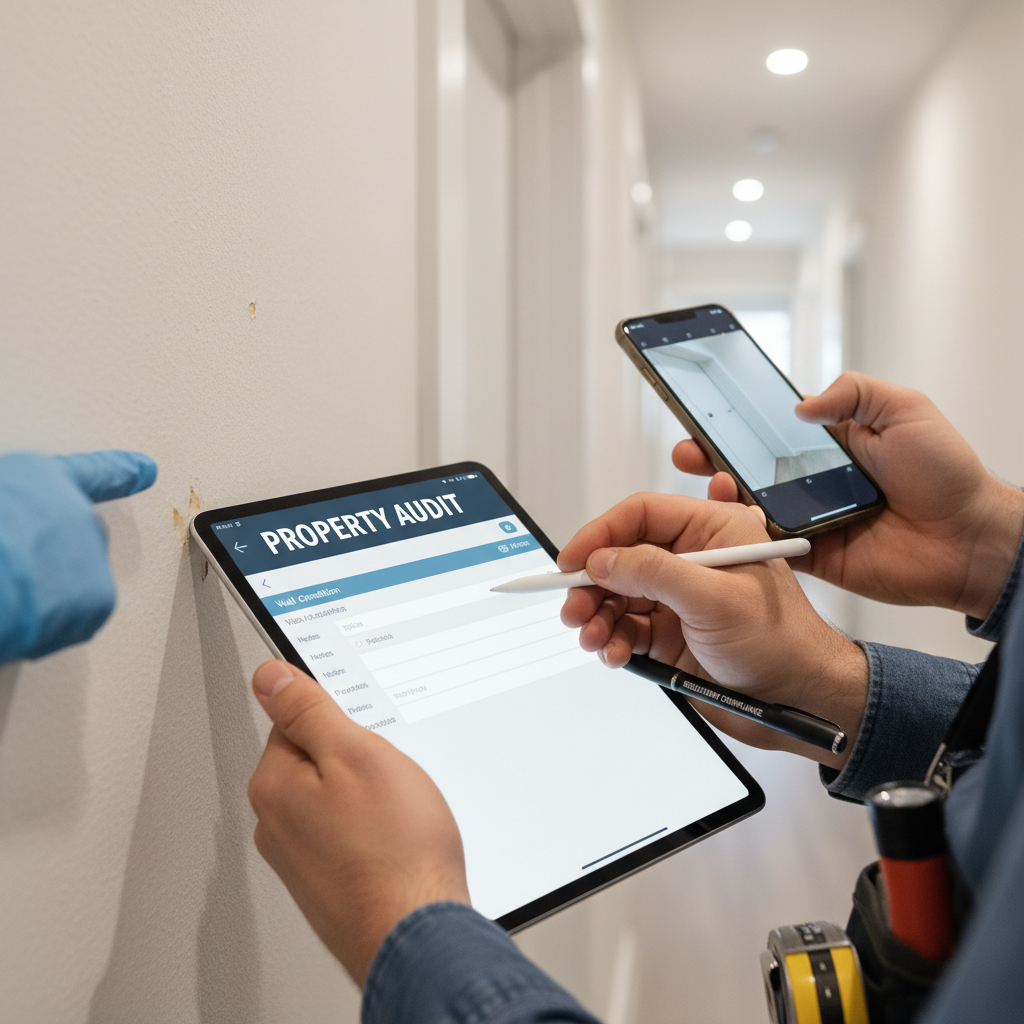
Performing due diligence is non-negotiable. Inspect properties thoroughly, research zoning laws, and assess potential risks. This process helps avoid costly mistakes and ensures a sound investment.
Engage professionals like inspectors and real estate attorneys to assist in evaluating the property's condition and legal standing.
Managing Your Investment
Once you've acquired a property, effective management is key to maximizing returns. Decide whether to manage the property yourself or hire a property management company. Consider factors like time, expertise, and cost.
Hiring a Property Manager
If you choose to hire a property manager, ensure they have a solid track record and good references. A competent manager can handle tenant relations, maintenance, and financial reporting.